
Afroman Goes Viral for ‘Golden’ Testimony as Internet Hails Him a ‘Hilarious American Hero’
- Mar 24
- 2 min read

In a legal system built on structure, seriousness, and procedure, Afroman walked in and did something completely different. He made people laugh, and in doing so, forced them to pay attention.
The rapper, known for his laid-back persona and cult-classic hits, found himself at the center of a legal dispute following a police raid on his home. But instead of approaching the courtroom like most defendants or witnesses would, Afroman leaned into what he does best: performance, satire, and blunt honesty.
During his testimony, clips show him recounting events in a tone that feels almost surreal for a courtroom setting. At times humorous, at times sarcastic, and at times deeply pointed, his delivery quickly made its way across social media platforms, where it exploded in popularity.
Within hours, he was being labeled everything from “a hilarious American hero” to “the only person who could turn a courtroom into content.”
But reducing the moment to comedy misses the point.
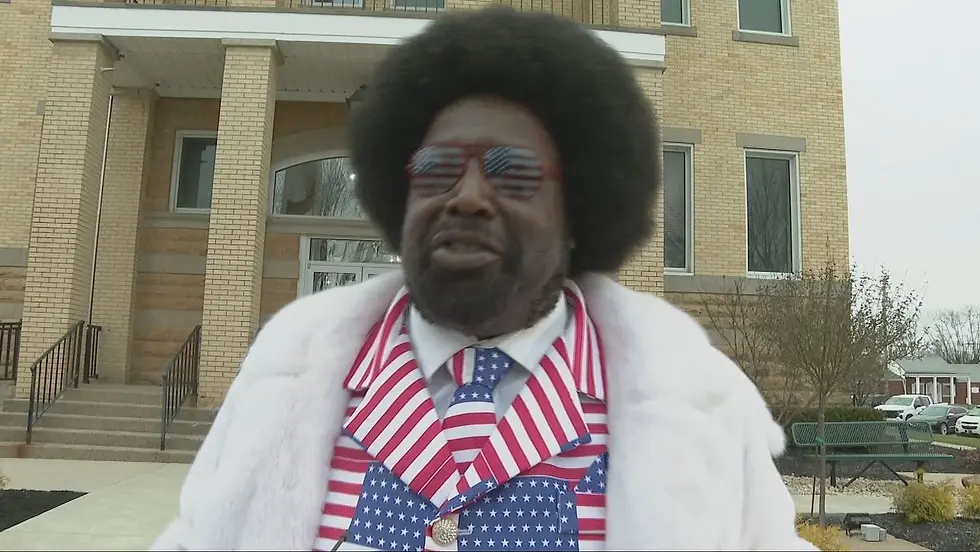
What Afroman did was more than entertain. He disrupted expectations. In a space where language is often technical and inaccessible, he used humor to translate his experience into something people could understand instantly. The internet didn’t just laugh, it engaged.
And beneath the humor was a serious issue. The case itself stems from concerns about policing, privacy, and the boundaries of law enforcement power. Afroman has previously criticized the raid, questioning both its justification and its execution. By turning his testimony into something viral, he effectively shifted the conversation from a local legal matter to a broader public debate.
This is where things get interesting.
In today’s media landscape, viral moments often carry more weight than official statements. A courtroom transcript might sit unread, but a 30-second clip can shape public perception overnight. Afroman understood that dynamic, whether intentionally or instinctively, and used it to his advantage.
There’s also a deeper cultural layer to this moment. Historically, humor has been a tool for marginalized voices to challenge authority. From stand-up comedy to political satire, laughter has often been a way to expose uncomfortable truths. Afroman’s testimony fits into that tradition, even if it doesn’t look like it on the surface.
Still, reactions remain divided.

Some legal observers argue that turning testimony into entertainment risks undermining the seriousness of the proceedings. Others see it as a refreshing break from a system that often feels disconnected from everyday people. The tension between those perspectives reflects a larger question: who gets to define how “serious” justice should look?
For the internet, though, the verdict is already in.
The clips continue to circulate, memes are being created, and Afroman has once again positioned himself at the intersection of culture, controversy, and conversation. Whether this moment has any impact on the legal outcome remains to be seen.
But one thing is clear.
He didn’t just show up to testify. He showed up to be heard.
And in a world full of noise, that might be the most powerful move of all.


Comments