
Europe Urges De-Escalation as War Fears Rise
- Mar 7
- 2 min read

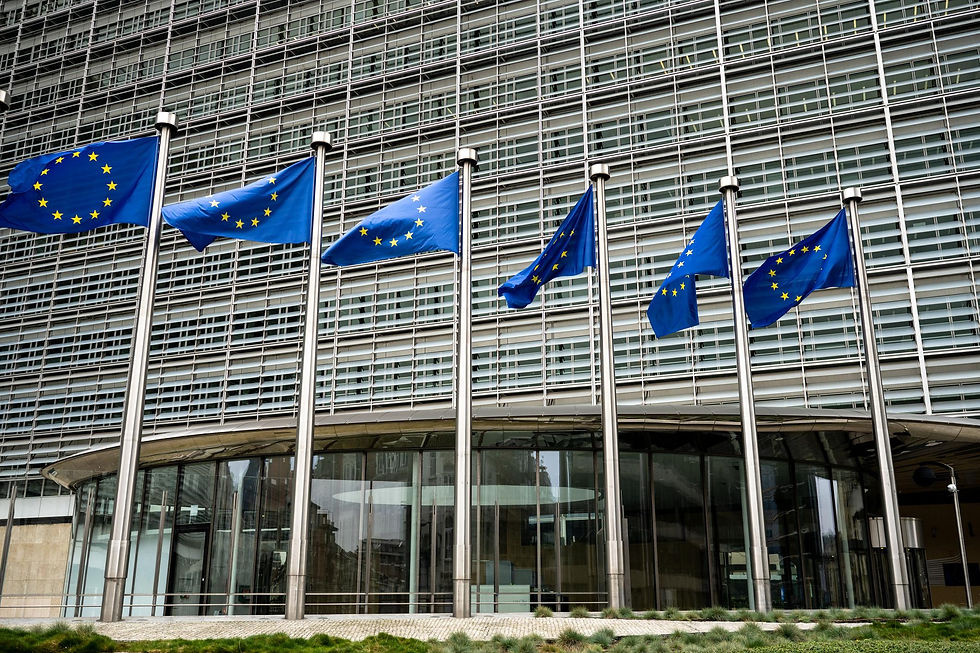
European leaders have called for urgent diplomatic efforts to reduce tensions in the Middle East as fears grow that escalating confrontations could trigger a broader regional conflict.
Across the European Union, governments are emphasizing the importance of dialogue and negotiation as the best path toward preventing further military escalation. Several foreign ministers have publicly urged restraint, warning that additional strikes or retaliatory actions could destabilize the region even further.
Europe has historically played an important role in mediating international disputes, particularly those involving Iran and Western powers. European diplomats were instrumental in negotiating the 2015 nuclear agreement between Iran and world powers, which sought to limit Tehran’s nuclear program in exchange for sanctions relief.
Although that agreement has since weakened following the withdrawal of the United States and renewed sanctions, many European governments continue to advocate for diplomatic engagement rather than confrontation.
The current tensions present both security and economic concerns for Europe. Instability in the Middle East can directly affect European energy supplies, migration patterns, and broader regional security.

Energy security is a particularly sensitive issue. Europe imports a significant portion of its oil and natural gas from global markets that are influenced by Middle Eastern production and shipping routes. Any disruption in supply could push energy prices higher across the continent.
In addition to economic concerns, European governments are also wary of the humanitarian consequences of prolonged conflict. Past wars in the region have contributed to large waves of displacement and migration, placing pressure on neighboring countries and European asylum systems.
Diplomatic efforts are therefore focused on preventing escalation before the situation reaches a point where conflict becomes difficult to contain.

Several European leaders have expressed willingness to facilitate dialogue between the United States and Iran, as well as other regional actors. While the success of these diplomatic initiatives remains uncertain, they represent one of the few avenues available to reduce tensions.
At the same time, Europe is increasingly aware that global geopolitical dynamics are shifting. Rising competition between major powers is reshaping international relations, and conflicts in strategic regions can quickly take on global significance.
For European policymakers, maintaining stability in the Middle East is not only a regional priority but also a critical component of global security.


Comments