
Just like any other drug, sugar is addictive. So why can’t you stop consuming it?
- Apr 21
- 2 min read
We don’t think twice about it.
It’s in our coffee.
Our snacks.
Our drinks.
Even foods we assume are “healthy.”
But what if sugar isn’t just a treat?
👉 What if it’s one of the most dangerous substances we consume daily?
⚠️ Why Some Experts Compare Sugar to a Drug
The comparison sounds extreme, but there’s a reason it keeps coming up.
Sugar affects the brain in ways similar to addictive substances.
When you consume sugar:
dopamine is released
your brain’s reward system is activated
cravings increase over time
That’s why it’s hard to stop.
You’re not just eating, you’re reinforcing a habit.
🧠 The Addiction Loop
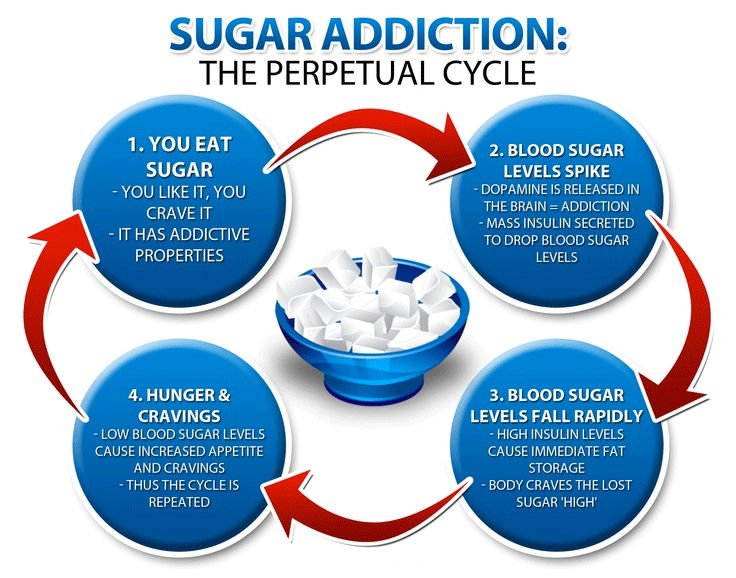
Here’s how it works:
You consume sugar
Your brain gets a reward signal
You feel a temporary boost
The effect fades
You crave more
Over time, this creates a cycle that looks very similar to dependency.
📊 The Real Health Impact
This is where things get serious.
High sugar consumption has been linked to:
obesity
type 2 diabetes
heart disease
fatty liver disease
chronic inflammation
According to health research, excessive sugar intake is a major contributor to long-term metabolic damage.
🍽️ The Hidden Sugar Problem

Most people don’t realize how much sugar they consume.
It’s not just in desserts.
It’s hidden in:
sauces
bread
cereals
yogurt
drinks (especially juices and sodas)
You can be consuming high amounts of sugar without ever eating candy.
⚠️ Why It’s Called a “Silent Killer”
Sugar doesn’t hit you all at once. It builds over time. There’s no immediate warning sign.
Instead:
weight gradually increases
energy levels fluctuate
long-term diseases develop slowly
By the time symptoms appear, damage may already be significant.
🏙️ A Modern Lifestyle Problem
Today’s food system is built around convenience—and sugar plays a major role in that.
It:
enhances flavor
increases shelf life
keeps people coming back
Which makes it everywhere. And hard to avoid.
🧠 Is Sugar Really the “Worst Drug”?

That depends on how you define it.
Unlike illegal drugs:
sugar is legal
widely available
socially accepted
But that’s also what makes it dangerous.
👉 You consume it daily.
👉 Often without noticing.
👉 And without limits.
⚖️ The Balance Perspective
Not all sugar is the enemy.
Naturally occurring sugars in:
fruits
whole foods
are different from added sugars found in processed products. The real issue is excess consumption, not sugar itself.
🔍 What You Can Do
You don’t have to eliminate sugar completely. But awareness matters.
Simple steps:
check labels
reduce sugary drinks
limit processed foods
focus on whole ingredients
Small changes add up over time.
⚖️ The Bottom Line

Sugar isn’t going anywhere.
But the way we consume it matters.
It’s not just a treat, it’s a daily habit with long-term consequences.
And the real danger?
👉 Most people don’t even realize how much they’re consuming.


Comments