
'To protect its traditional values', Senegal just tighten anti-LGBTQ law.
- Mar 14
- 2 min read

From February to March 2026, Senegalese authorities arrested a total of 82 individuals, including prominent media figures, in Dakar, Thiès, and Saint-Louis as part of a wide investigation into alleged networks involving drug trafficking, money laundering, possible pedophilia, same-sex relations, and the intentional transmission of HIV. The crackdown, which initially started in Keur Massar, unfolded amid new legislation aimed at protecting traditional Senegalese values, as expressed by Lawmaker Fama Ba in her speech during the Senegal National Parliament debate to toughen the laws against "acts against nature" and widen its definition.
Key details of the case include:
Initial Discovery: The investigation began after an HIV-positive individual was arrested on February 4, 2026, and allegedly confessed to intentionally infecting around ten partners, whom he contacted through WhatsApp.
Arrests and Charges: Gendarmerie forces arrested 12 people, including television host Pape Cheikh Diallo and musician Djiby Dramé, on charges of "unnatural acts," criminal conspiracy, intentional transmission of HIV, drug use, and money laundering.
Rising Anti-Gay Sentiment: The arrests were part of a wider crackdown, with over 35 people arrested by early March 2026. This surge in enforcement contributed to parliamentary action, leading to a new law in March 2026 that doubled prison penalties for same-sex relations to between five and 10 years, along with increased fines.

In response to these events, Senegal’s National Assembly approved a historic bill on Wednesday that significantly toughens punishments for homosexual acts, positioning Senegal as one of the latest African countries to tighten anti-LGBTQ laws.
Introduced by Prime Minister Ousmane Sonko, the legislation redefines homosexual conduct as an offense “against nature” and doubles possible prison terms from one to five years to five to ten years. Sonko has repeatedly criticized Western efforts to promote LGBTQ rights, calling them incompatible with Senegalese values.
The measure also expands penalties to include promoting or financing homosexuality, with fines of up to 10 million CFA francs (about $18,000) and potential criminal liability for those supporting LGBTQ causes.
Passed with overwhelming support in the largely Muslim West African nation’s parliament (with only three abstentions), the bill now awaits final approval by President Bassirou Diomaye Faye. Supporters, including religious groups, have framed it as a defense of traditional values, arguing that Senegal's existing 1966 penal code was not tough enough despite already criminalizing same-sex relations.

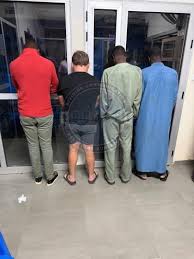
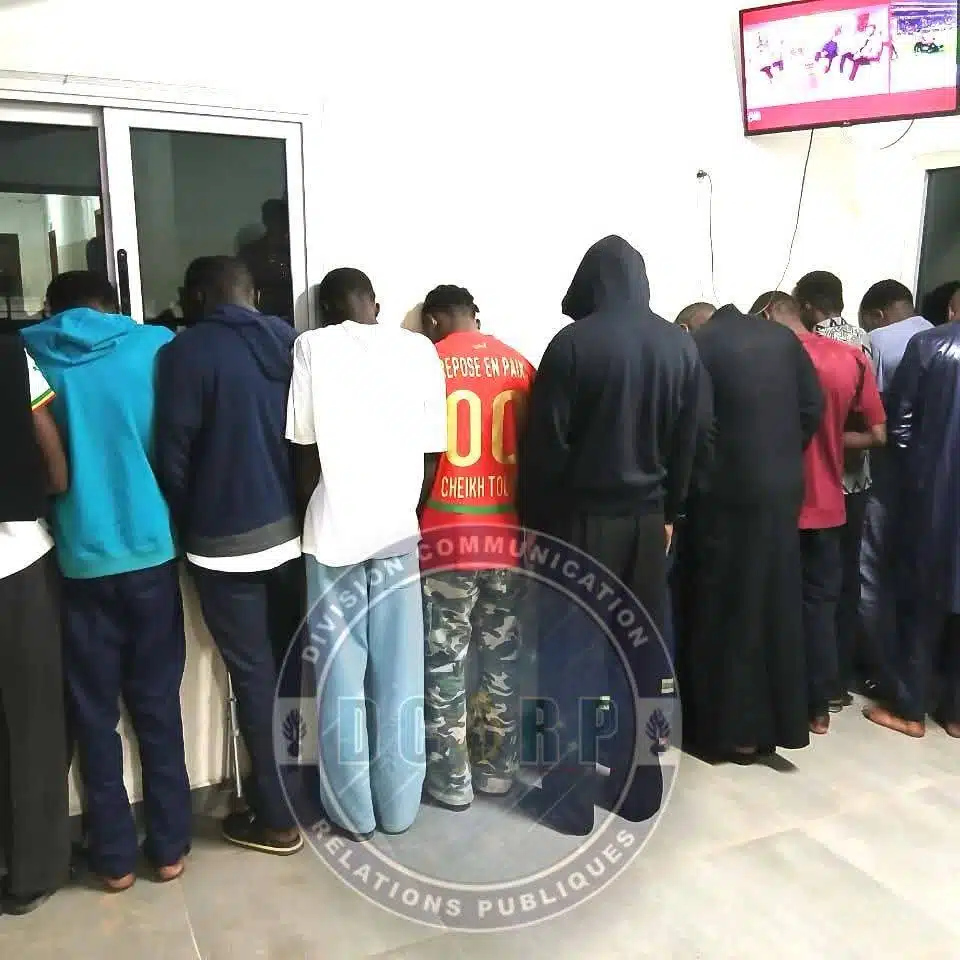


Human rights groups report that police have already intensified arrests under existing laws, including high-profile detentions of men suspected of same-sex conduct in recent weeks. Critics, such as Human Rights Watch, have labeled the measures “homophobic,” warning that they could further endanger an already marginalized community.
This development aligns with broader trends across Africa, where same-sex relations are criminalized in more than 30 countries. For instance, Uganda drew Western condemnation after passing an anti-LGBTQ law in May 2023 that allows the death penalty for certain same-sex acts and up to 20 years in prison for promoting homosexuality. The U.S. responded with sanctions and removed Uganda from a key duty-free trade program, while the World Bank froze new loans.


Comments