
💱 Did You Know the ECO (West Africa’s Single Currency Plan) Was Secretly Canceled?
- Mar 24
- 3 min read

For years, African leaders promoted the ECO as a bold step toward economic independence. A single currency for West Africa. Less reliance on foreign systems. More control over the region’s financial future.
It sounded powerful. It sounded necessary.And for many young Africans, it sounded like progress. But here’s what most people don’t know.
The ECO wasn’t just delayed. It was effectively suspended.
📉 The Quiet Reality Behind the Headlines

According to a report by Modern Diplomacy:
“ECOWAS… indicated in an official media statement the indefinite suspension of its single currency initiative ECO.”
This is not speculation. This is based on official communication tied to the Economic Community of West African States.
No major press cycle.No global headlines.Just a quiet shift away from a project that had been promised for decades.
🌍 What the ECO Was Supposed to Be
The ECO was envisioned as a single currency for West Africa under ECOWAS, meant to:
simplify trade across borders
strengthen regional economies
reduce dependency on foreign currencies
create a unified financial system
The project dates back to the late 1990s and gained momentum in the 2010s, with leaders even setting a target launch around 2020.
That deadline came and went.
⚠️ Why It Failed
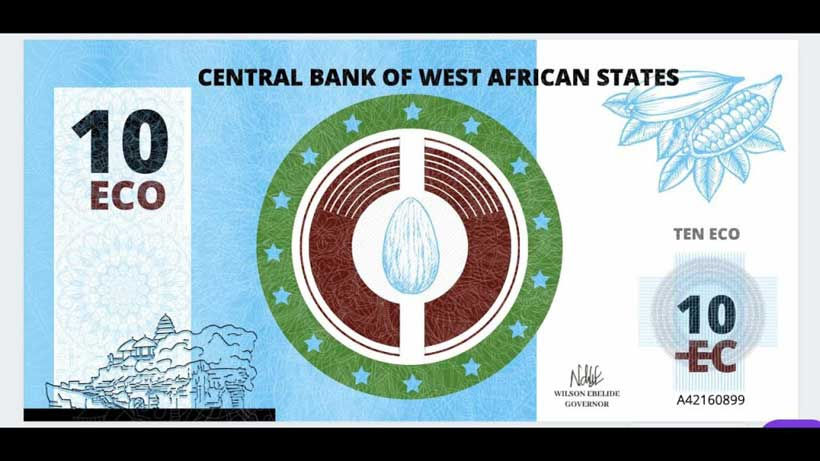
The failure of the ECO wasn’t sudden. It was structural.
Economic Conditions Were Never Met
The African Union itself has repeatedly emphasized that a single currency requires strict macroeconomic convergence.
As noted by AU officials:
“We require effective and timely implementation of the macroeconomic convergence criteria… to lay the groundwork for… a single currency.”
Those conditions were never fully achieved.
Political Divisions Slowed Everything Down
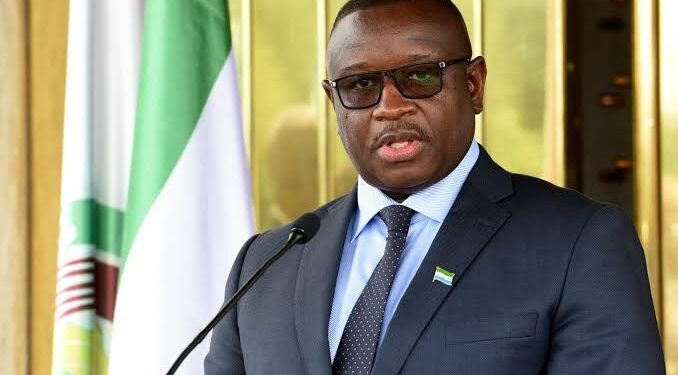
The region remains deeply fragmented. According to reporting:
“West Africa is… a seriously fragmented region,” with political instability and differing systems complicating integration.
Recent geopolitical shifts, including tensions and the formation of new alliances in the Sahel, made coordination even harder.
The CFA Franc Contradiction

One of the most controversial aspects of the ECO project was the proposal by some countries to rename the CFA franc to ECO, rather than create a completely new system. Critics argued this would:
maintain external influence
undermine the purpose of the currency
create confusion across the region
At that point, the vision lost clarity.
🧠 Was It Ever Real, or Just a Narrative?
This is where the conversation shifts. On paper, the ECO was a legitimate long-term integration project.
But in reality:
timelines kept shifting
political will remained inconsistent
execution never matched ambition
For many observers, the ECO became less of a concrete plan and more of a symbolic idea.
Something that sounded powerful.But was never fully implemented.
🇸🇳 So What About Senegal’s New Leadership and Currency Promises?
While the ECO has stalled, the conversation around monetary independence is evolving. In Senegal, new political leadership, particularly figures like Ousmane Sonko, has brought a different approach.
Sonko has openly challenged the CFA franc system and suggested that if regional solutions like the ECO fail, Senegal should consider creating its own national currency.
This marks a shift.
From:👉 regional dependency
To:👉 national sovereignty
⚖️ Regional Unity vs National Control

The ECO was built on collective integration. But after years of delays, some leaders are asking:
What if integration isn’t the fastest path forward? For countries like Senegal:
waiting has costs
dependency has limits
and delays weaken trust
So the question becomes: Should countries move together, or move first?
🔥 A New Direction, or Another Cycle of Promises?
Supporters argue that national currencies could:
give countries control over monetary policy
allow faster economic response
reduce foreign influence
But critics warn: Without strong institutions and discipline, new currencies can create instability.
🔍 The Bigger Picture

The ECO didn’t collapse overnight. It was quietly sidelined.
Caught between:
economic realities
political divisions
and competing interests
And now, a new phase is emerging.
⚖️ The Bottom Line
The ECO was not just delayed. It was effectively put on hold indefinitely. And now, the real question is no longer:
👉 Will Africa have a single currency?
But:
👉 Who will take control of their monetary future first?
📚 Sources
Kester Kenn Klomegah, “African Union, ECOWAS Suspend Single Currency Plan”
Modern Diplomacy (2024) : https://moderndiplomacy.eu/2024/09/04/african-union-ecowas-suspend-single-currency-plan/
BBC News – Coverage on ECO delays, CFA franc reform debates, and ECOWAS integration challenges
Reuters – Reporting on ECO rollout delays, political disagreements, and currency transition tensions
African Union statements on macroeconomic convergence and single currency requirements



Comments